Website Design
and Development
Our website design and development process encompasses a wide range of tasks, skills, and technologies
to ensure your website is functional, user-friendly, visually appealing, and meets the needs and goals of your intended audience.
Here is a breakdown of the key components and aspects of our website design and development:
Planning & Strategy
Designing and developing a website is a multifaceted process that involves careful planning and strategic thinking. Here is a step-by-step guide we use to create an effective website for you:
Define Your Goals and Objectives:
– Determine the purpose of your website. Is it for business, a personal blog, e-commerce, portfolio, or something else?
– Identify your target audience and their needs.
– Set clear, measurable goals for the website, such as increasing sales, generating leads, or sharing information.
Research and Analysis:
– Study your competitors’ websites to understand what works and what doesn’t.
– Perform keyword research to optimize your website for search engines (SEO).
– Analyze your target audience’s preferences and behavior to tailor your content and design.
Plan Your Content:
– Create a sitemap to outline the structure of your website.
– Develop a content strategy that includes text, images, videos, and other multimedia elements.
– Ensure your content is well-organized and easy to navigate.
Design and Development
Website design and development is a tale of two disciplines working in harmony to create an experience for a target audience that is both visually appealing and optimally functional on different devices.
Design and User Experience:
– Create wireframes and mockups to plan the layout and visual design of your website.
– Focus on user experience (UX) to make the site easy to navigate and visually appealing.
– Ensure your website is mobile-responsive, as more users access websites via mobile devices.
Development:
– Choose a technology stack (HTML/CSS, JavaScript, or a content management system like WordPress).
– Write clean and efficient code.
– Test the website’s functionality, including forms, e-commerce features, and interactive elements.
SEO and Optimization:
– Optimize your website for search engines. Usr appropriate keywords, meta tags, and SEO.
– Compress images and optimize page load times for a faster user experience.
– Ensure your website is secure with an SSL certificate.
Content Creation:
– Add high-quality, engaging content to your website.
– Regularly update your content.
– Use a consistent and appealing visual style.
Measure, and Maintain
The story doesn’t end once a site has been designed and developed. User experience, performance, and security is an ongoing effort that should be measured and maintained on a regular basis.
Testing:
– Thoroughly test your website on different browsers and devices to ensure cross-browser compatibility.
– Check for broken links, typos, and other issues.
– Conduct usability testing to gather feedback from real users.
Launch:
– Set up website analytics to track user behavior and performance.
– Announce the website launch through social media channels and email lists.
Maintenance and Updates:
– Regularly update your website with fresh content and features.
– Monitor website performance and make improvements based on analytics data.
– Keep software, plugins, and themes up to date to ensure security.
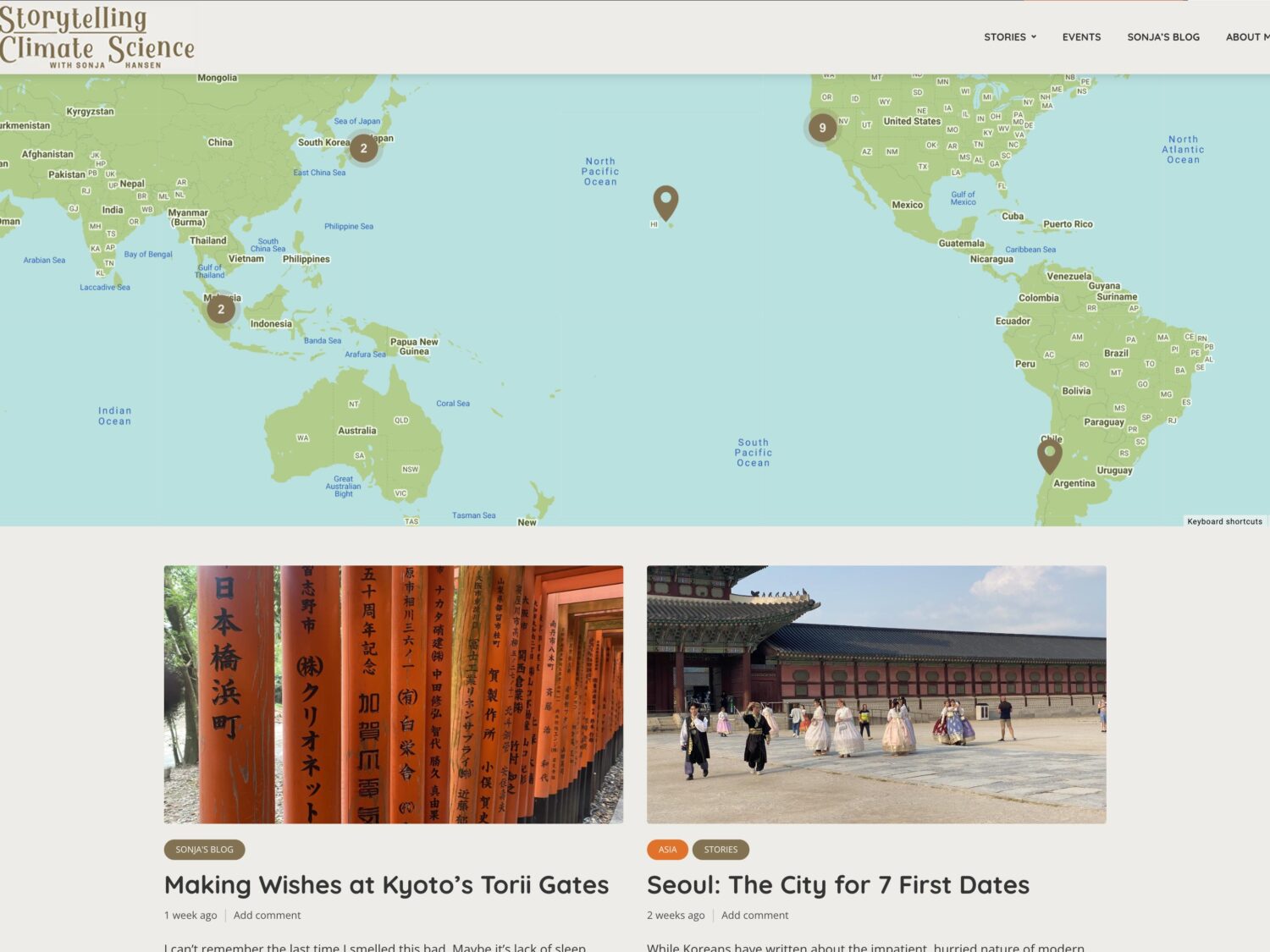
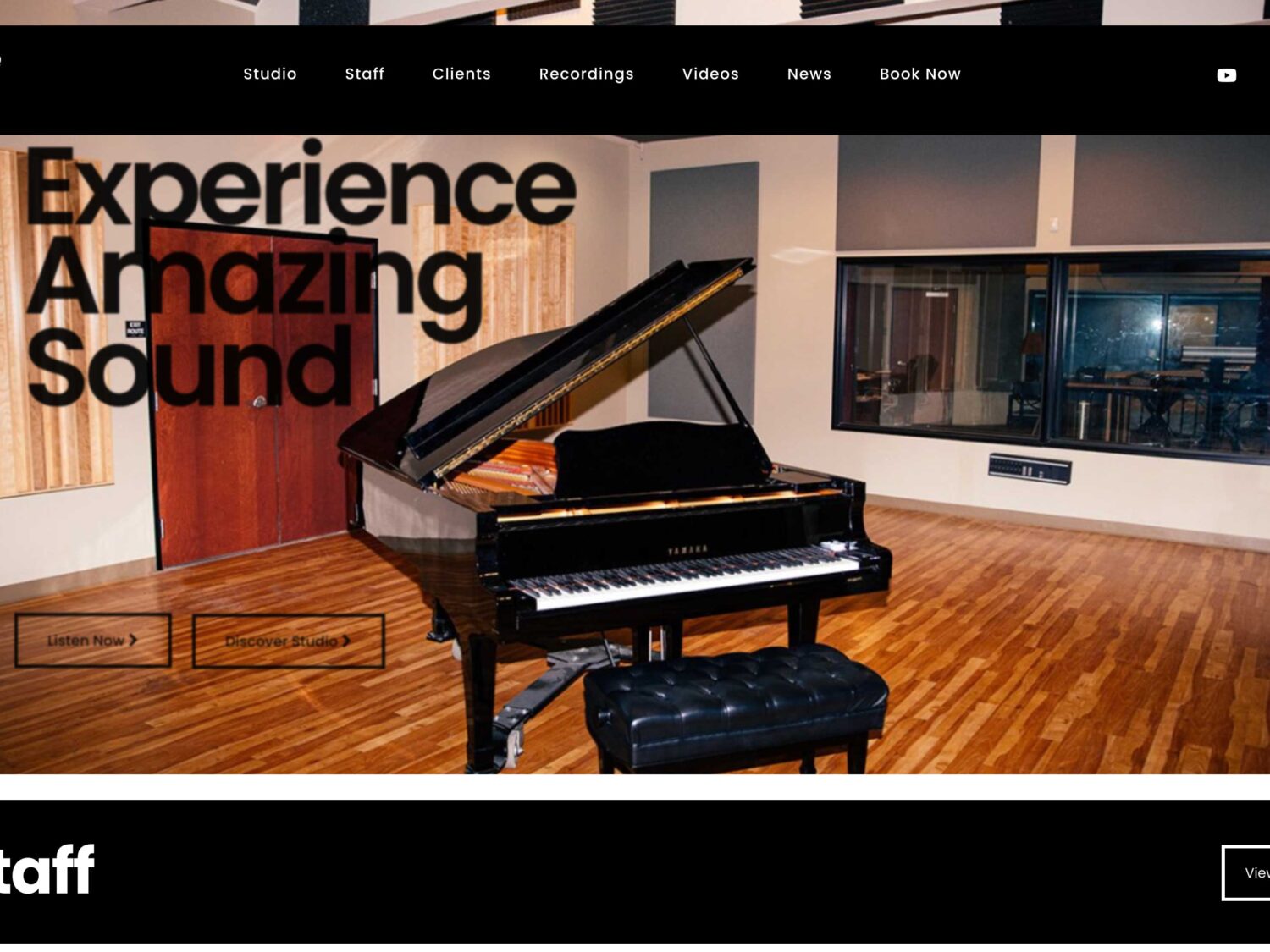
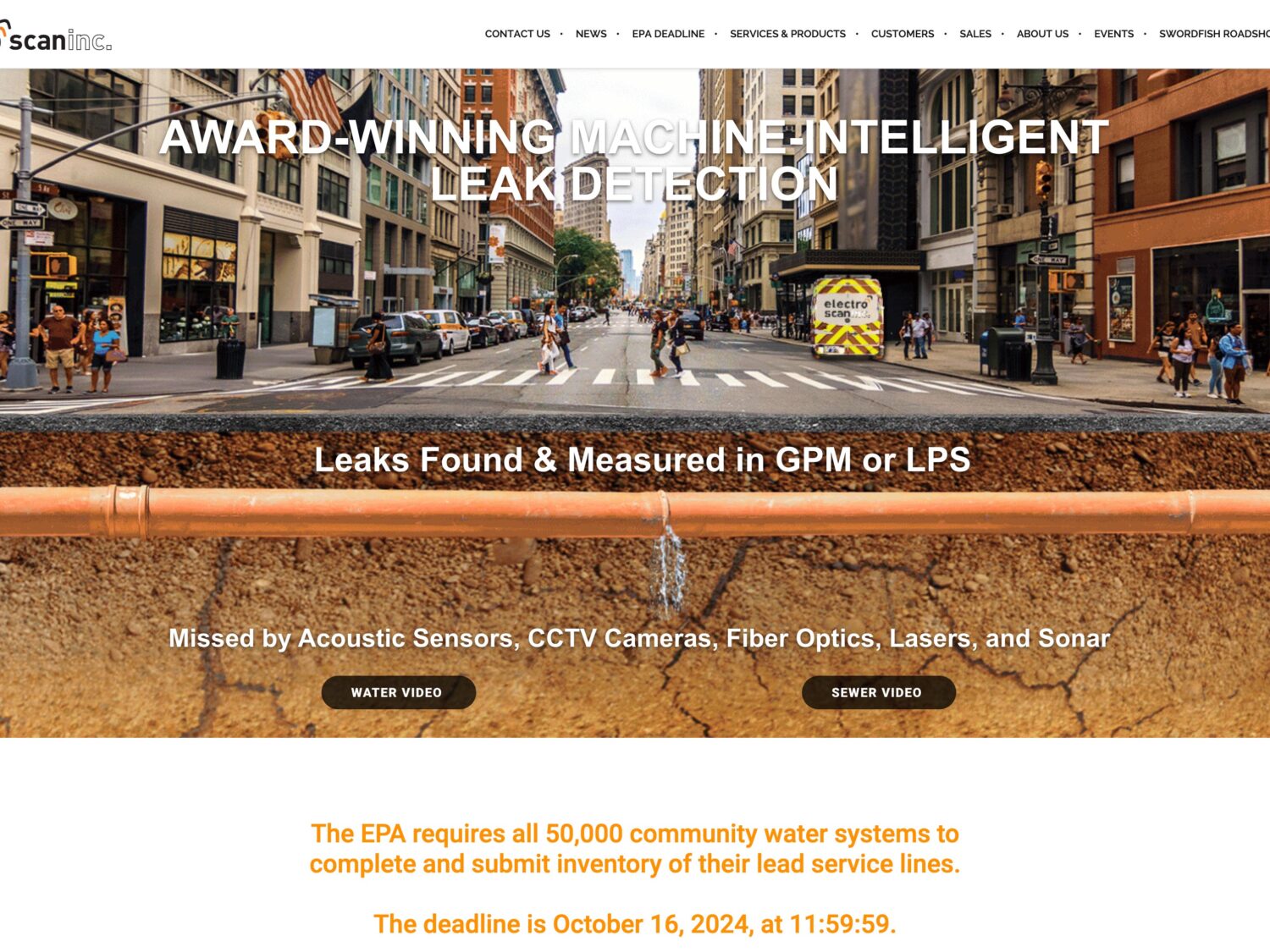
OUR WORK.
Browse our most recent projects below. We love what we do. Hope you do too.